







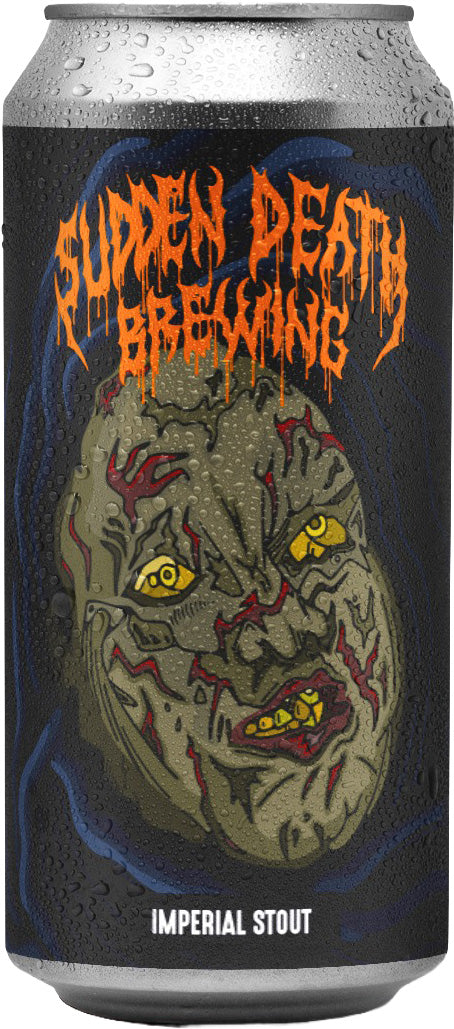
Vendor: Sudden Death
Submerged

Vendor: Sudden Death
Rituus

Vendor: Sudden Death
The Sect

Vendor: Sudden Death
LV-426 Origin

Vendor: Sudden Death
Khazad-Doom

Vendor: Sudden Death
Simcoe Overload

Vendor: Sudden Death
Let's Fest!

Vendor: Sudden Death
Hyper x Brasserie du Bas
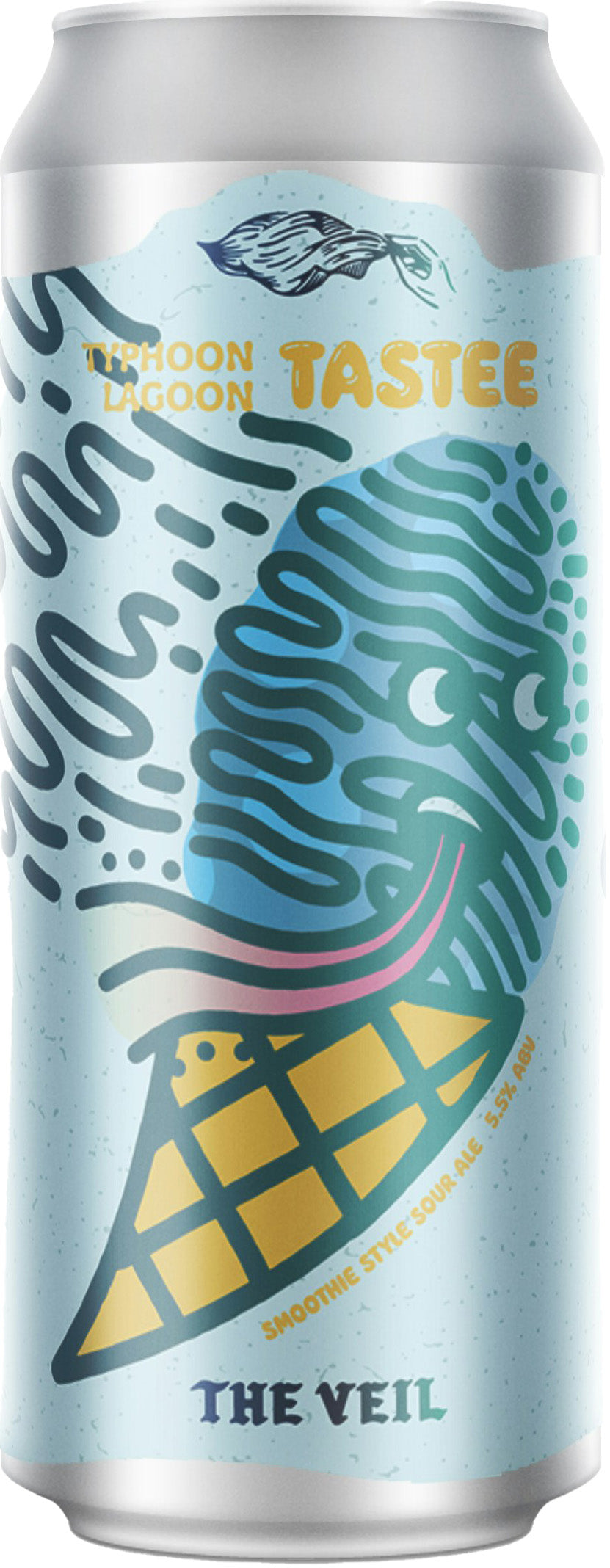
Vendor: The Veil
Typhoon Lagoon Tastee
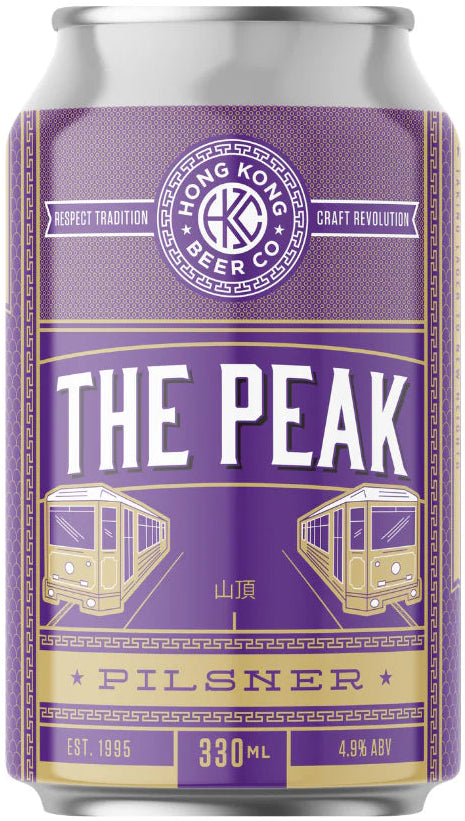
Vendor: Hong Kong Beer Co
The Peak Pilsner

Vendor: Hong Kong Beer Co
Happy Valley


Vendor: Hong Kong Beer Co
852

Vendor: Hong Kong Beer Co
Mai Po No. 1 (2025)

Vendor: BK Wines
BK Wines Ramato Pinot Gris 2023

Vendor: Left Handed Giant
Blender: Ammonites
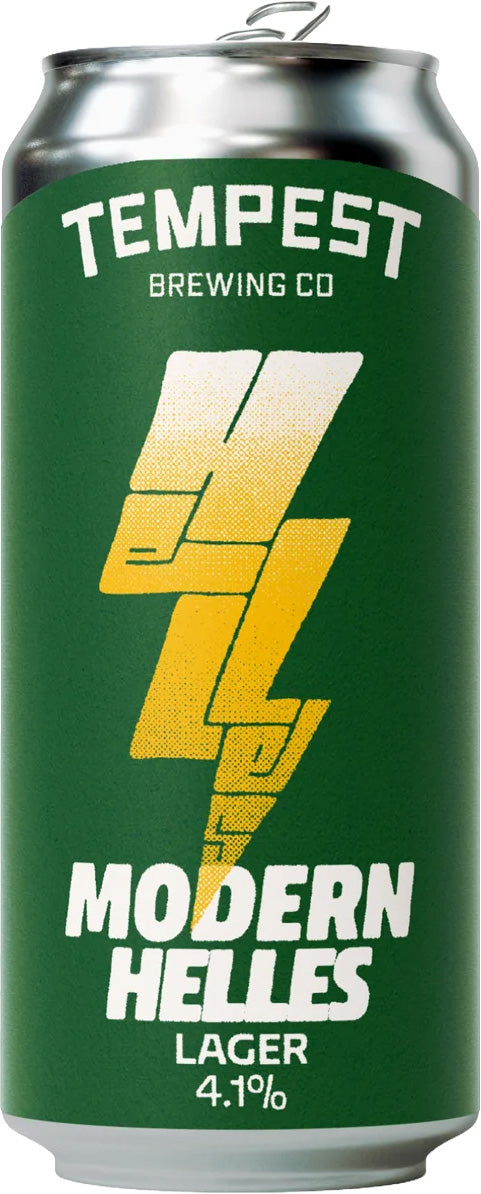
Vendor: Tempest Brewing Co
Modern Helles
Vendor: Hong Kong Beer Co
The Peak Pilsner
Vendor: Sudden Death
V.02 German Pilsener

Vendor: Sudden Death
V.01 Canadian Pilsner


Vendor: Ren Min
Kaifeng Roadie

Vendor: Heroes
4 Pack - Got Rice

Vendor: Heroes
Good Trip
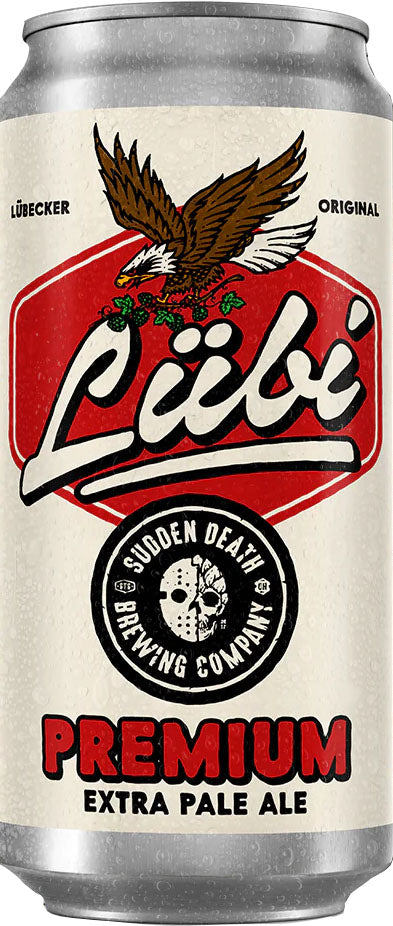
Vendor: Sudden Death
Lubi Premium

Vendor: Tempest Brewing Co
Long White Cloud
Vendor: Hong Kong Beer Co
Happy Valley

Vendor: Sudden Death
Daily Greens
Vendor: Hong Kong Beer Co
852

Vendor: Mountain Culture
Juice Trip - Neon Splice

Vendor: Ren Min
Zhāo Zhōng
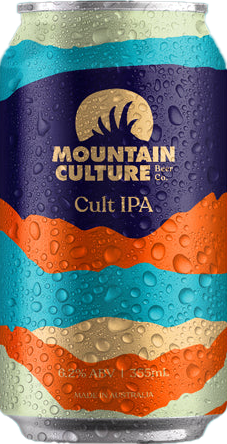
Vendor: Mountain Culture
Cult IPA

Vendor: Mash Gang
Journey Juice


Vendor: Tempest Brewing
Pale Armadillo
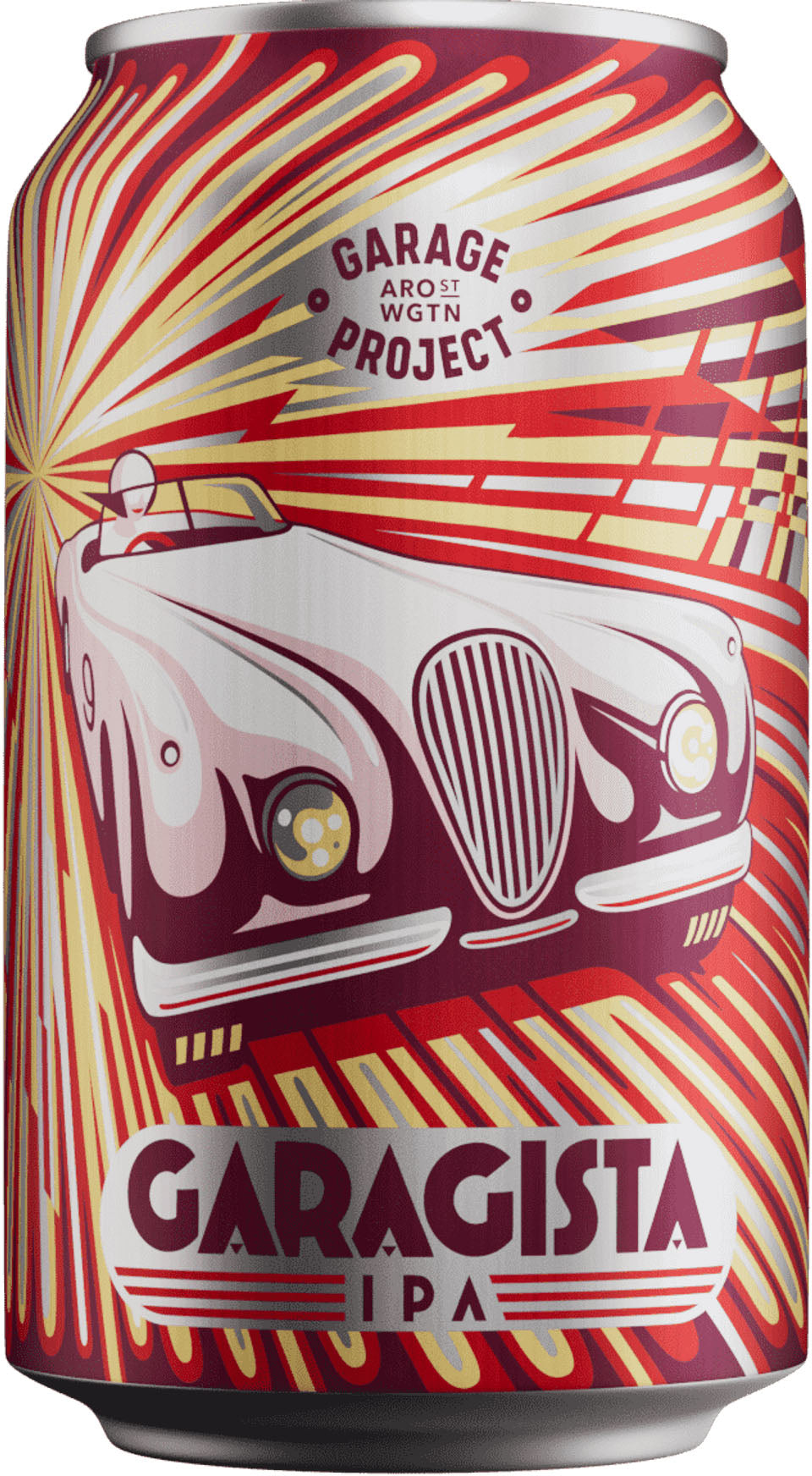
Vendor: Garage Project
Garagista


Vendor: Mountain Culture
Preux Chevalier x Kicks Brewing

Vendor: Mountain Culture
Wizard Well x Future Brewing
Vendor: The Veil
Typhoon Lagoon Tastee

Vendor: Garage Project
Pickle Sour

Vendor: Sudden Death
Blabärssoppa

Vendor: Vault City
GLOOP Strawberries Cookies & Cream
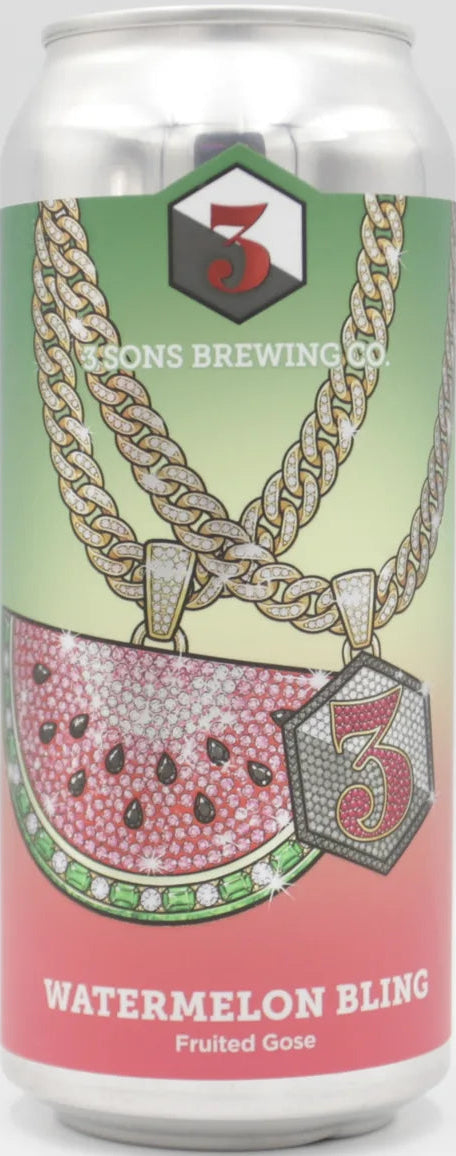
Vendor: 3 Sons
Watermelon Bling

Vendor: Sudden Death
Fabulous Fruits of Doom 2

Vendor: 3 Sons
Tropical Acres

Vendor: Vault City
Year 8 - 8 Years Sour
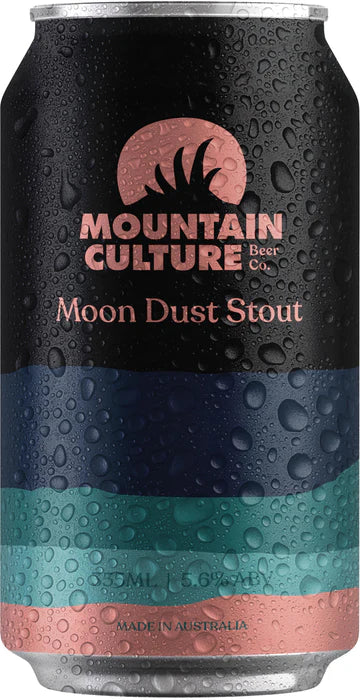
Vendor: Mountain Culture
Moon Dust

Vendor: Hong Kong Beer Co
Sevens Stout

Vendor: 3 Sons
8-Track Throwback
Vendor: Hong Kong Beer Co
Mai Po No. 1 (2025)

Vendor: Tempest Brewing Co
BA All The Leaves Are Brown

Vendor: Tartarus
Laetitia

Vendor: Tartarus
Lotus Eater

Vendor: Hong Kong Beer Co
Mai Po No. 4 (2025)
The GULP difference

New Craft Beers & Bottles Every Week
Explore an ever-growing selection of craft beers, natural wines and artisan spirits.
Brewery-Fresh Cold Delivery
Kept cold from brewery to door to preserve carbonation, aroma and full flavour—just as the brewer intended.
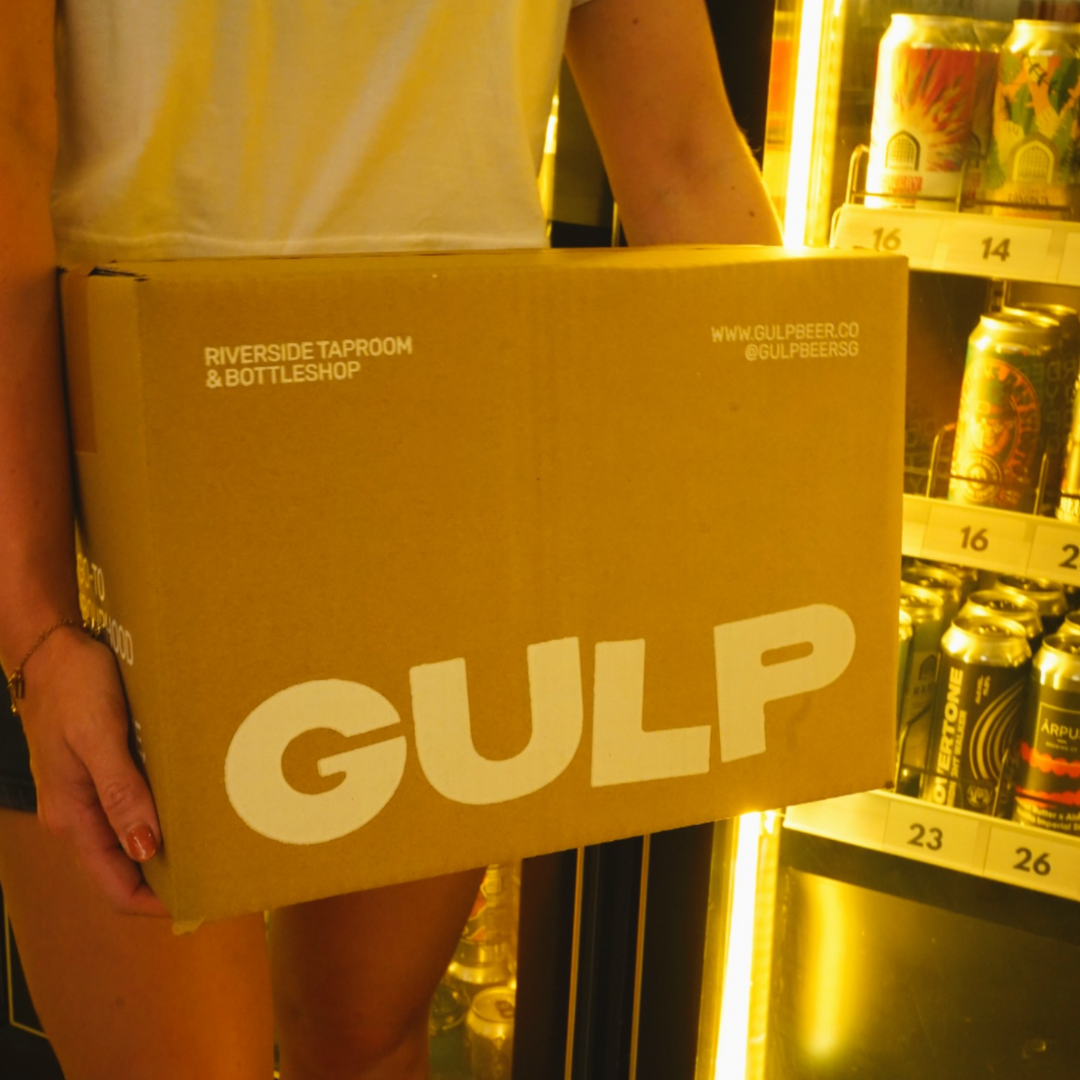
Same-Day Delivery or Quick Pickup
Order before noon for free same-day delivery on orders over $100, or opt for 4-hour click & collect at our bottleshop.
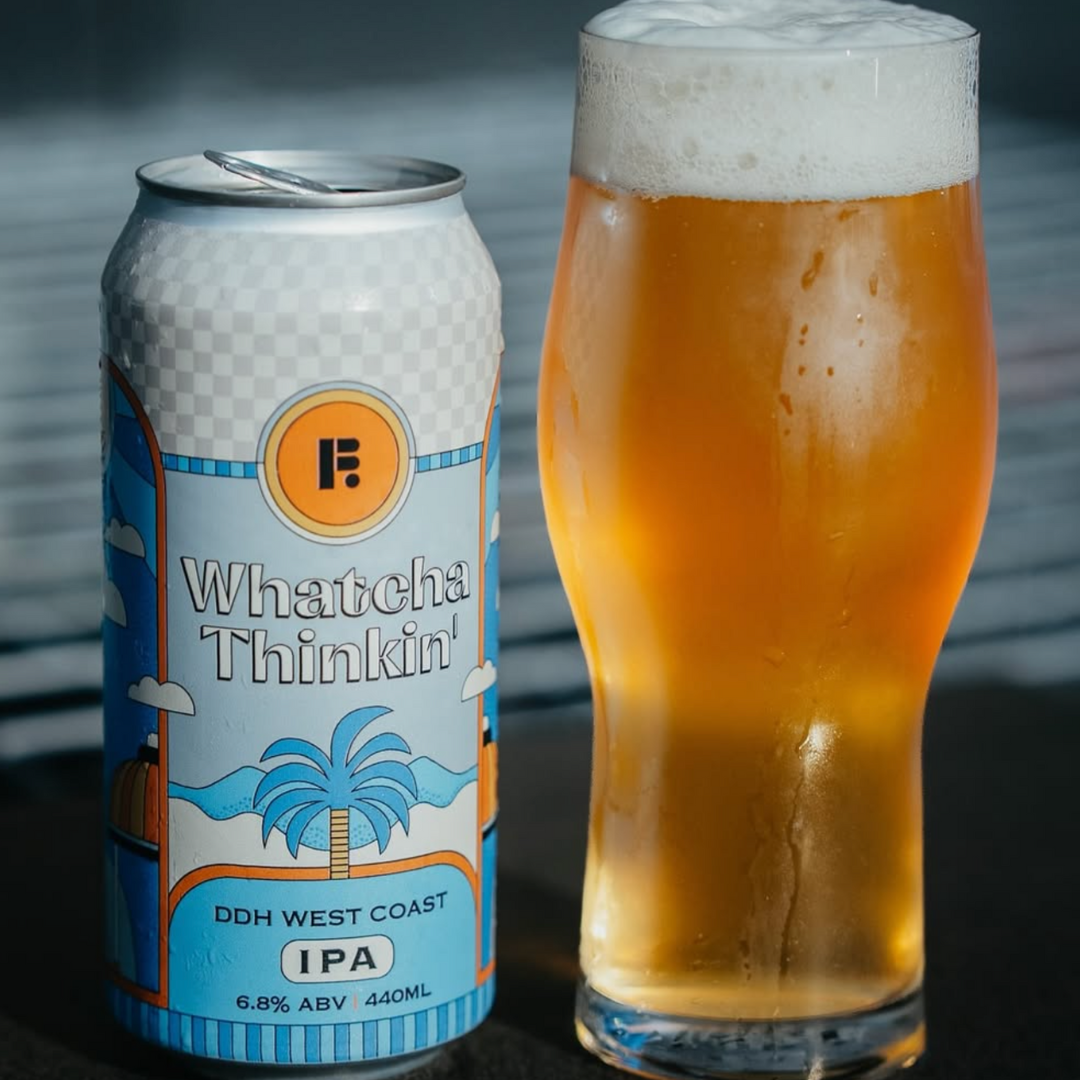
Rare & Exclusive Craft Beers
Access limited-distribution beers and brewery exclusives brought in directly by GULP.
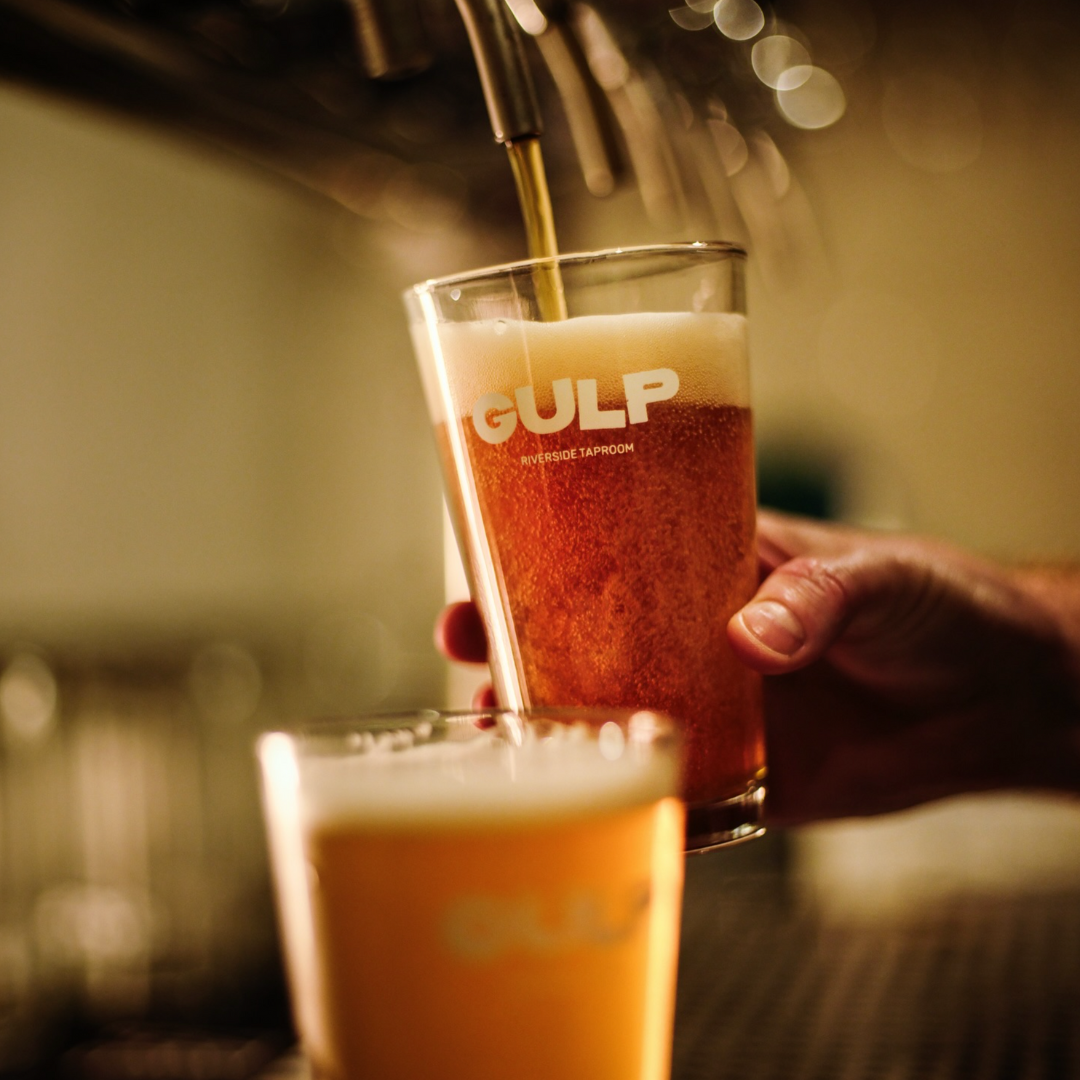
From Independent Producers
Curated craft drinks from small, independent producers you won’t find on mass-market shelves.
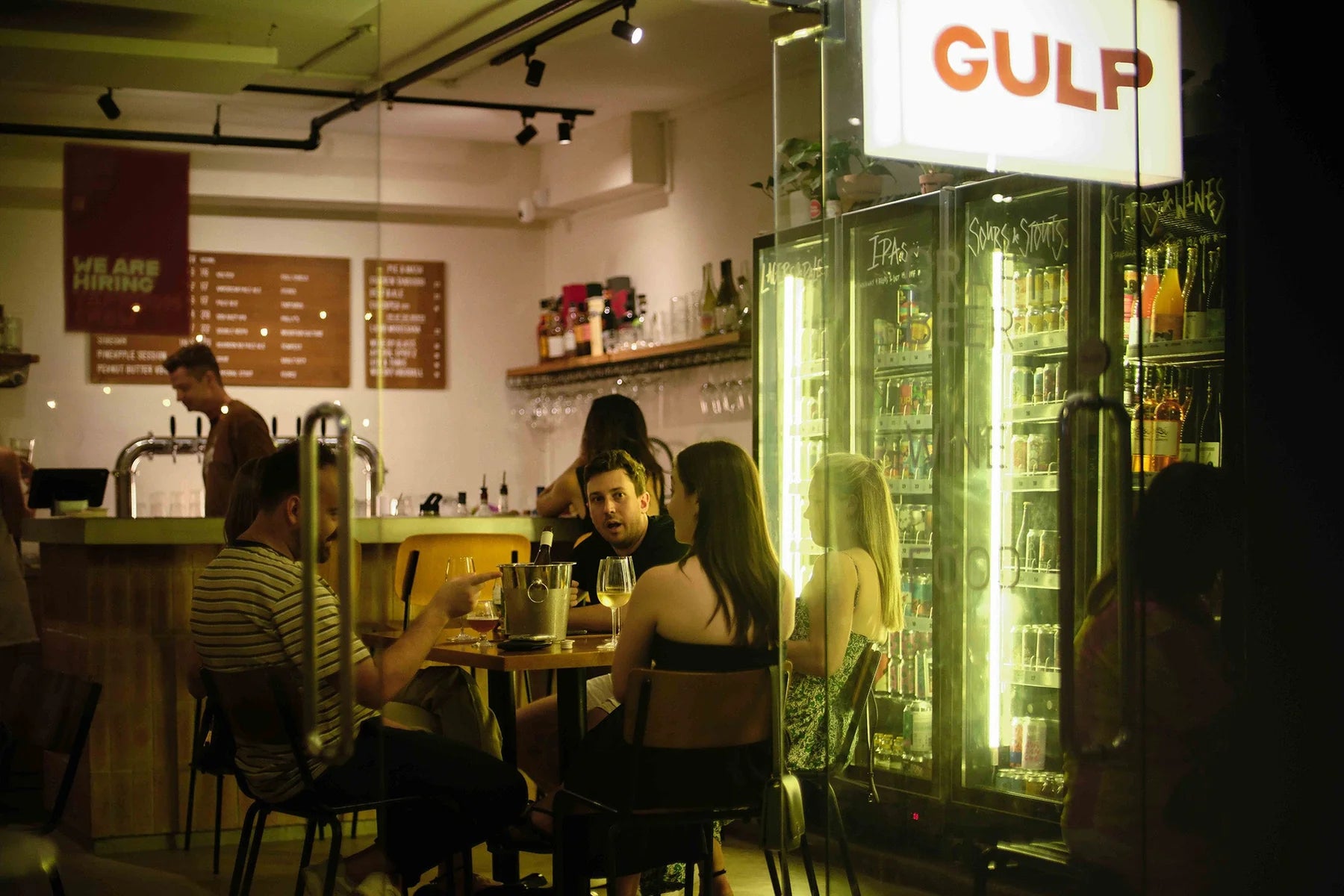
Join us at the taproom
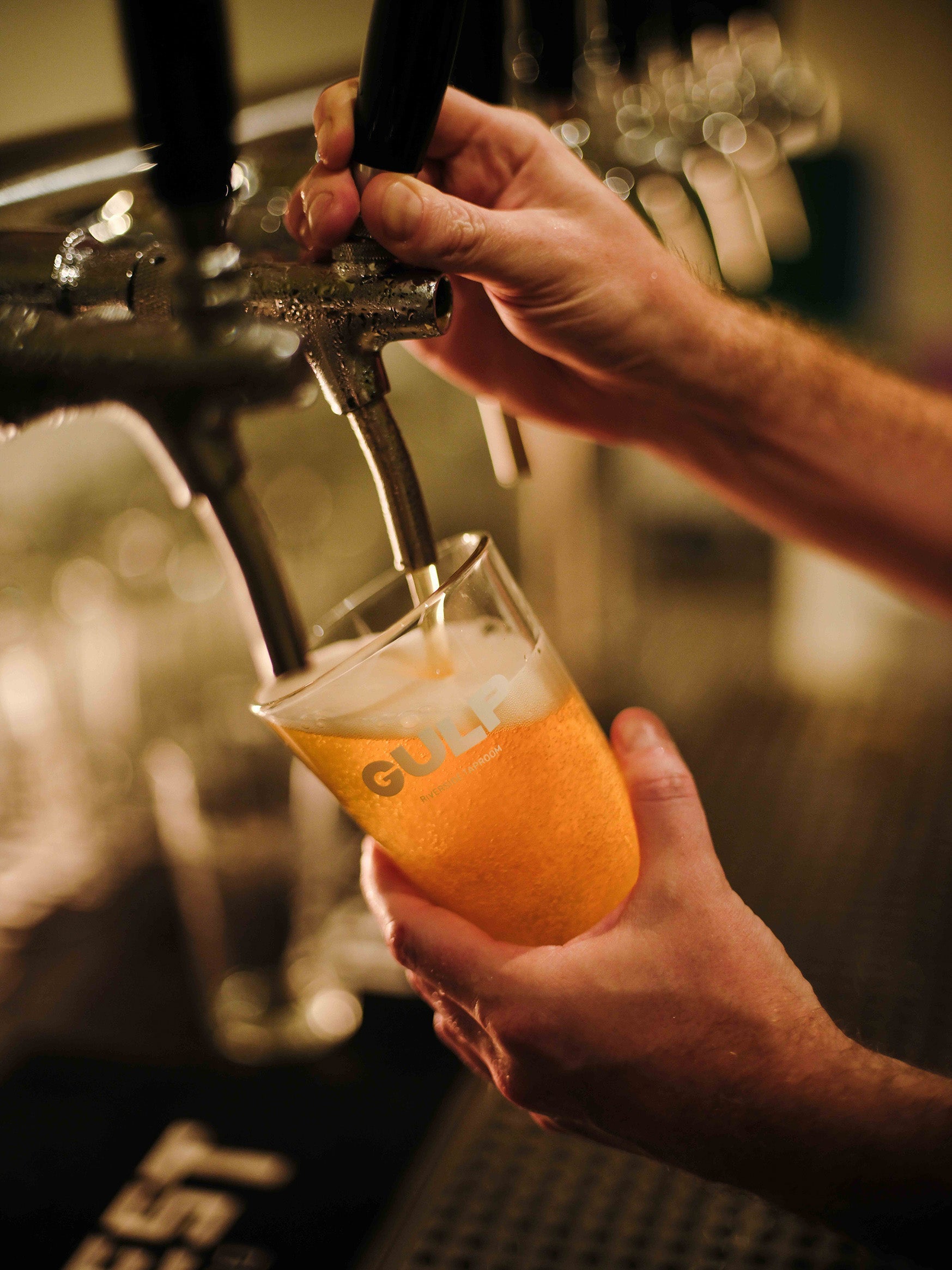
Unwind at our dog-friendly riverside taproom in Robertson Quay, featuring 8 fresh rotating taps and a curated selection of cold craft beers, wines, and spirits. Open every day for breezy sunset pints by the water.
Pint-sized answers
How do I qualify for free delivery?
How do I qualify for free delivery?
Easy. Just pop over $100 worth of beer to your basket and then you'll automatically receive free same day delivery if you order by midday Tues-Sun.
What's the standard delivery time?
What's the standard delivery time?
We’re open Tuesday to Sunday, with same-day or next-day delivery depending on when you order.
Delivery:
- Tue–Sun, order before 12 noon → Same-day delivery
- Tue–Sun, order after 12 noon → Next-day delivery
- Sun after 12 noon → Delivered on Mon/Tue (depending on schedule)
Can I pickup or self-collect my order?
Can I pickup or self-collect my order?
Yes! You can order on this site and collect from GULP in opening hours. We will send you an email when your order is ready for collection.
Can I shop in store?
Can I shop in store?
Of course! Head down to the Bottleshop, talk to us about your favourite drinks and even crack a couple whilst you're down here.
What are your opening hours?
What are your opening hours?
We’re open every day at Robertson Quay 🍻
Hours:
- Mon - 4pm to 10:30pm
- Tue to Thu - 4pm to 11pm
- Fri - 4pm to 12am
- Sat - 3pm to 12am
- Sun - 2pm to 10pm
And of course, our online shop’s open 24/7 — order any time, beers delivered to your door.
The GULP latest

Not a Beer Expert? How to Choose Craft Beer Confidently
So, you're at a brewery, staring at a menu filled with terms like "hazy IPA," "barrel-aged stout," and "gose." Your friends are confidently ordering, and you're just nodding along, secretly wishing there was a "just give me a beer" option. Sound familiar? You're not alone! Many people feel intimidated by the vast and wonderful world of craft beer. But here's a secret: you don't need to be an expert to enjoy it. This guide is for everyone in Singapore (and beyond!) who wants to confidently choose a craft beer without overthinking it. We'll simplify the process, focusing on understanding your preferences and some basic categories. Ditch the Pressure: It's All About Your Taste Buds The most important thing to remember is that there's no "right" or "wrong" beer. It's about what you enjoy. Forget the snobbery and focus on what appeals to you. Your Starting Point: What Do You Usually Like? Think about other beverages you enjoy. Do you prefer: Light & Refreshing: Think sparkling water, lemonade, or a light lager. Fruity & Sweet: Maybe juices, cider, or cocktails with fruit. Dark & Rich: Coffee, red wine, or chocolate. Bold & Bitter: Black coffee, tonic water, or gin. This gives you a great starting point for navigating the beer menu. Decoding the Menu: Key Craft Beer Categories While there are hundreds of beer styles, they broadly fall into a few key categories. Understanding these can help you narrow down your choices. 1. Lagers & Pilsners: The Easy-Drinkers These are generally crisp, clean, and refreshing. They're often a great entry point for those new to craft beer, offering a familiar profile but with more character than mass-produced options. Think light-bodied with a subtle hop presence. 2. IPAs (India Pale Ales): The Hop Stars IPAs are known for their hop bitterness and often citrusy, piney, or tropical fruit aromas. West Coast IPA: Typically bitter, resinous, and clear. Hazy IPA (New England IPA): Less bitter, juicy, fruity and as the name suggests, hazy in appearance. Double IPA (DIPA): Stronger and often more intense in both bitterness and alcohol content than a standard IPA. 4. Stouts & Porters: The Dark & Roasty Ones If you love a morning espresso or a piece of dark chocolate, don't let the black colour scare you. These beers use roasted malts to create deep, comforting flavours. Milk Stout: Brewed with lactose (milk sugar) for a creamy, sweet finish. It tastes like a cold-brew coffee with a splash of cream. Dry Stout: Think Guinness. It's actually lighter in calories than many pale ales and has a clean, roasted bitterness. Pastry Stout: These are "dessert in a glass" - look for flavours like vanilla, maple, or marshmallow. 5. Sours & Wild Ales: The Tangy & Tart This is the "rebel" category of craft beer. If you prefer a Margarita or a glass of dry Rosé over a traditional beer, start here. Gose (pronounced Go-zuh): A Germany style that is slightly salty and tart. It's incredibly refreshing on a hot day. Fruited Sours: These often look like fruit juice or smoothies. They are packed with raspberries, cherries, or tropical fruits, masking the "beery" taste with a punchy acidity. Pro-Tips for Choosing Your Craft Beer Ask for a sample: Most craft breweries in Singapore are happy to offer small samples. This is the absolute best way to discover what you like without committing to a full pour. Don't be shy! Talk to the bartender/beertender: These folks are a wealth of knowledge! Tell them what you usually like (or even what you don't like), and they can guide you. Read the descriptions: Brewery menus often include flavour notes (e.g., "citrus", "pine", "chocolate", "roast"). Use these as clues! Consider the ABV (alcohol by volume): Higher ABV beers (above 7-8%) will generally be more intense in flavour and effect. If you're looking for something sessionable, aim for under 5%. Don't be afraid to try something new: The beauty of craft beer is the exploration! Even if you don't love every beer, you'll learn more about your palate.
Learn more
Where to Eat, Drink & Unwind During Chinese New Year 2026 in Singapore
Finding a place that isn't shuttered during Chinese New Year (CNY) in Singapore can feel like a mission. As the city settles into the Year of the Horse, most traditional shops and bars take a break—but we don't. Whether you’re a tourist navigating a "quiet" Singapore, a local needing a quick retreat from family reunions, or someone just looking for a cold pint on a public holiday, GULP Robertson Quay is your festive sanctuary. The Perfect Riverside Retreat (We’re Open!) Nestled along the Singapore River, our taproom is the ultimate spot to "unwind" while the rest of the city hits pause. We are open from 2:00 PM to 11:00 PM on both CNY Day 1 and Day 2 (Feb 17–18). Drink: Browse our legendary fridge with over 200 craft beers, explore our curated list of natural wines, or sample 8 rotating taps featuring the freshest local and international brews. If you’re in the mood for something sparkling and bright to match the festive spirit, we’re also running a 1-for-1 Aperol Spritz special all day for a refreshing riverside toast! Eat: Pair your pints with our hearty pastry pies - the ultimate comfort food for a laid-back afternoon by the water. Vibe: Skip the loud gongs and lion dances for a moment. Our Robertson Quay space is designed for a "chill-out" session, offering a breezy, dog-friendly atmosphere that's a sanctuary from the festive frenzy. Running Out of Supplies at Home? If you’re hosting a gathering and the "booze emergency" hits, don't panic. GULP Online is your 24/7 lifeline for craft beer, wine, and spirits. Free same-day delivery: Spend over $100 and we'll gallop to your doorstep with free-same day islandwide delivery. No stress, just fresh and cold drinks. CNY clearance deals: Looking for a steal? Check out our updated clearance section to snag premium craft beers at a fraction of the price - perfect for stocking up your home bar for the long week. Don't get left parched this Year of the Horse. Whether you're joining us for a riverside sunset at Robertson Quay or ordering from your couch, GULP has your CNY hydration covered. Visit us at 7 Rodyk St, #01-30, Singapore 238215 or shop our freshest drops online here
Learn more
Valentine's Day Date Ideas in Singapore: Natural Wine Pairings for Home Cooking & Picnics
Valentine’s Day in Singapore doesn’t have to mean battling restaurant queues or committing to pricey set menus. Some of the most memorable dates here are the simplest ones — cooking together at home after work, sharing takeaway from your favourite hawker stall, or laying out a picnic at East Coast Park, Marina Barrage, or the Botanic Gardens as the sun sets. With Singapore’s warm evenings and easy access to great food, a well-chosen bottle of natural wine can turn everyday moments into something quietly special without the fuss. Whether you’re planning a cosy night in or a laid-back outdoor date, here’s how to pair natural wines with food and experiences that feel personal and intentional. At-Home Valentine's Day: Cooking Together & Wine Pairing Ideas Cooking together is intimate, collaborative, and surprisingly romantic. Natural wines, with their freshness and texture, pair beautifully with home-cooked meals. Best Natural Wines for Fish & Seafood Go for: Crisp whites or lighter orange winesThese wines highlight freshness and minerality without overpowering delicate flavours. A mineral-driven white like Chateau Pajzos Furmint Dry T 2022 works beautifully with grilled fish, seafood pasta, or sashimi-style dishes. For something with more texture, an orange wine such as Orsi Posca Bianca Akazia Barrel and Amforma NV pairs well with richer seafood or butter-based sauces. Why it works: Natural whites often have higher acidity and subtle savoury notes that enhance seafood rather than compete with it. Best Natural Wines for Chicken & White Meat Go for: Rosé or light redsThese wines sit comfortably between freshness and depth. A dry, food-friendly rosé like Pittnauer R&B Rose NV complements roast chicken, herb-forward dishes, or creamy pastas. Light reds such as Pinor Noir-style wines (Nieder-Florsheimer Pinot Noir 2023) are great for duck, turkey, or mushroom-based dishes. Why it works: These wines offer structure without heaviness — perfect for versatile, everyday cooking. Best Natural Wines for Red Meat Go for: Medium-bodied redsThink juicy, expressive wines rather than heavily oaked styles. A medium-bodied red like Aphros Phaunus Amphora Palhete pairs well with steak, lamb, or richer slow-cooked dishes. For something a little different, a fuller-bodied rosé like Basket Range Rosé 2022 can also work surprisingly well. Why it works: Natural reds tend to emphasise fruit and freshness, making them more food-friendly and less tiring over a meal. Valentine’s Day Picnic Ideas in Singapore with Wine Pairings Singapore’s green spaces make for effortless Valentine’s Day picnic spots — whether it’s East Coast Park, Marina Barrage, or the Singapore Botanic Gardens. Keep the food simple, portable, and relaxed — and choose wines that shine outdoors. Best Natural Wines for Picnic Food Sandwiches & Light Bites Go for: Fresh whites or light blends A vibrant, easy-drinking white or light field blend pairs well with sandwiches, wraps, and cold cuts. Salads & Vegetarian Dishes Go for: Zippy whites or chilled rosé Wines with bright acidity complement citrus-dressed salads, grains, and veggie dishes. Hawker Takeaway for Picnics Yes, wine and hawker food absolutely work. Go for: Rosé or juicy reds A chilled rosé pairs well with spicy, savoury flavours like char kway teow or fried snacks. Light reds like Unico Zelo's Fresh AF 2022 work with grilled meats or soy-based dishes. Why it works: Natural wines tend to be lower in alcohol and higher in freshness, making them flexible enough for bold, everyday flavours. Tips for Pairing Natural Wine Chill more than you think: Whites, rosés, and even light reds benefit from being slightly cooler. Match intensity, not rules: Light food with lighter wines, richer food with more structure. Keep it relaxed: Natural wine is meant to be enjoyed, not analysed. A More Personal Way to Celebrate Valentine’s Day Valentine’s Day doesn’t need excess, just intention. Whether it’s a home-cooked meal or a picnic with takeaway, the right bottle of natural wine can turn everyday moments into something memorable. If you’re exploring natural wines, look for bottles that feel expressive, food-friendly, and suited to how you actually eat. 👉 Browse GULP's available natural wines here
Learn more
Singapore’s New Beverage Container Return Scheme and What It Means For You
Singapore is rolling out a brand-new system called the Beverage Container Return Scheme or BCRS, starting 1 April 2026. It’s simple at heart: when you buy a drink in a can or plastic bottle, you’ll pay a small refundable deposit — and you get it back when you return the empty container for recycling. What the Beverage Container Recycling Scheme Is Think of BCRS as a “deposit and refund” system. When you buy a drink in a plastic bottle or metal can (150ml–3L), you’ll pay an extra 10¢ at checkout. That 10¢ isn’t spoken for — it’s a deposit you get back once you return the empty container at designated return points, like reverse vending machines or collection stations. This mechanism converts a typical throw-away item into something with value, nudging us all to bring it back instead of littering or tossing it with regular trash. Why This Matters Singapore wants to boost recycling rates, reduce waste going to Semakau Landfill, and cut carbon emissions. Deposit-return systems like this aren’t new. They’ve been used for decades in countries like Germany, Norway, and Australia, where recycling rates for cans and bottles exceed 90%. How Does This Affect Me If you buy bottled or canned drinks — whether it’s water, soda, or craft beer — you’ll see a 10¢ deposit added at checkout. Return the empty container and you’ll get that 10¢ back. If you recycle consistently, the net cost is effectively zero. If you don’t, that’s the only time the scheme actually costs you and even then, it’s just 10¢ per drink. Retailers and importers will also adapt. Eligible products will be clearly labelled with the scheme’s logo, so it’s easy to tell what’s refundable. That said, you may notice slightly higher drink prices at the start. Beyond the deposit, retailers and importers incur compliance costs such as relabelling and logistics, which can add around $0.60–$0.80 per can before retail margins. This is why some shelf prices may rise by more than just the 10¢ deposit. We are actively working to reduce these costs over time, but during the early stages of the scheme, some increase is unavoidable. GULP's Take: This Is a Positive Step At GULP, we think Singapore’s Beverage Container Recycling Scheme is a win — for drinkers, the environment, and the culture we all share: It motivates good habits: a small deposit prompts returns and reduces litter. It rewards participation: the refund gives people agency, even in small amounts, to act sustainably. It supports a circular system: better recycling feeds better raw materials back into new products. Yes, it adds an upfront deposit, but if you consistently return containers, it costs you nothing — and you contribute directly to less waste and cleaner streets. That’s a win not just for craft beer lovers, but for everyone who enjoys this city we live in. Where Can I Learn More? If you’d like to dig deeper (or just want the official details), here are a few useful links: National Environment Agency - Beverage Container Recycling Scheme - the official source for how the scheme works, what's included, and rollout timelines. Reverse Vending Machine Locations - a list of return points where you can drop off your empty cans and bottles, and get your deposit back. GULP FAQs & Updates - we'll keep our own page updated with FAQs, practical tips, and any changes that affect the beers we stock - so you know exactly what to expect as the scheme evolves. Final Word The BCRS is a nationwide change, not a decision made by individual retailers or breweries. Yes, prices may look a little different.Yes, labels might get a bit busier. But in return, recycling becomes easier, more rewarding, and more consistent and you’ll actually get money back for doing the right thing. Thanks for bearing with us as Singapore takes this next step towards a more circular economy 🍻 and as always, drink well, recycle better, and give us a shout if you’ve got questions.
Learn more